
Manipuri : guide complet de la race
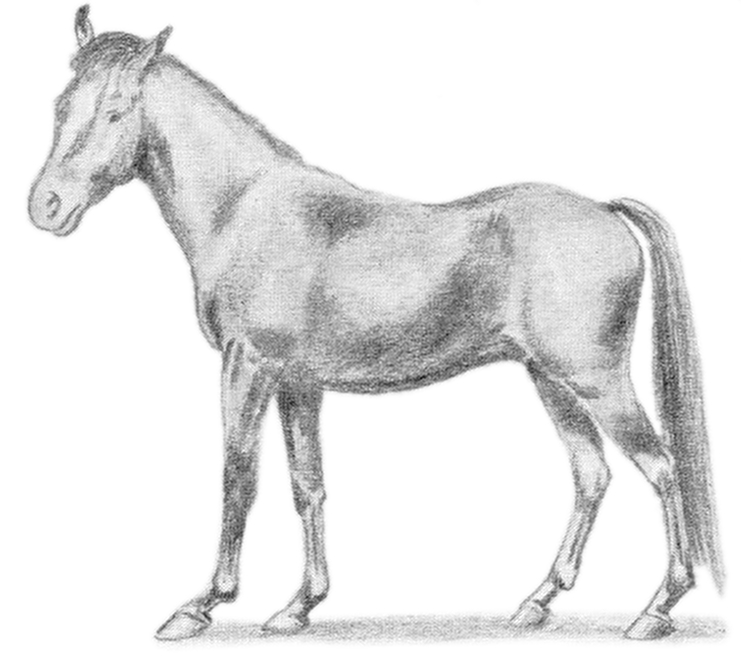
The Manipuri Pony (Meitei: Meitei Sagol) is a traditional Indian breed of small horse or pony from Assam and Manipur in north-eastern India. It appears both in the history and the mythology of Manipur, and was used for warfare and polo. It is believed to have been the polo pony in use in Assam in the mid-nineteenth century when British tea planters first saw polo being played, and the height limits set for polo ponies were based on ponies of this breed.
Fiche récapitulative
| Caractéristique | Détails |
|---|---|
| Nom | Manipuri |
| Pays d’origine | Manipur, Inde |
| Taille au garrot | 115-130 cm |
| Poids | 200-300 kg |
| Robes | Toutes |
| Espérance de vie | 25-30 ans |
| Caractère | Vif, agile, courageux, rapide, intelligent |
Histoire et origines
Small horses have been bred for centuries in the Manipuri area of north-eastern India. They were often used as warhorses, and were ridden by the Meitei warriors of Kangleipak (later called Manipur). Horses from Manipur were used by the cavalry of Ningthou Gharib Nawaz (Meitei: Pamheiba) in his wars against the Konbaung dynasty of Burma. When the game of polo was first observed by British tea planters in Assam, these are believed to have been the polo ponies that were being used.
Morphologie et caractéristiques physiques
Le Manipuri mesure entre 115-130 cm au garrot pour un poids de 200-300 kg. Les robes admises sont : toutes.
The Manipuri Pony has a light head with a straight profile, set on a well-formed neck, somewhat pronounced withers, a deep chest and sloping shoulders. The croup is sloping, the legs sturdy and the hooves well-proportioned. The overall appearance is elegant. Manipuri ponies generally stand 11 to 13 hands (44 to 52 inches, 112 to 132 cm) high. They are often bay in color, but can also be pinto, grey and chestnut.
Caractère et tempérament
Le Manipuri est décrit comme vif, agile, courageux, rapide, intelligent. Ces traits de caractère en font un poney apprécié pour de nombreuses activités équestres.
Aptitudes et disciplines
Le Manipuri excelle dans les disciplines suivantes : polo (berceau du polo moderne), course, spectacle, randonnée.
Polo was introduced into the area of Manipur state as early as the seventh century, and Manipuri ponies were one of the first breeds used in the game. The British learned of polo during the nineteenth century while watching it played on Manipuri ponies in India. The breed is still used for polo today in India, but other breeds are more popular in Europe and America.
Alimentation
Rustique. Adapté aux conditions de l’Inde du Nord-Est. Foin et herbe.
Santé et entretien
Race menacée (moins de 2 000 individus). Programme de conservation indien. Race robuste.
Comme pour tous les poneys, un suivi vétérinaire régulier est essentiel : vaccinations, vermifugation, soins dentaires et parage des pieds.
Le Manipuri, pour qui ?
Le plus ancien poney de polo du monde. Race historique et culturelle indienne a proteger.